Antón PropiedadesAntón Propiedades   Esquel, Chubut
Patagonia
Guide · 2026-10-06

Buying rural land in Argentina as a foreigner

What actually happens, in what order, and what has to be verified before you sign.
Patagonia
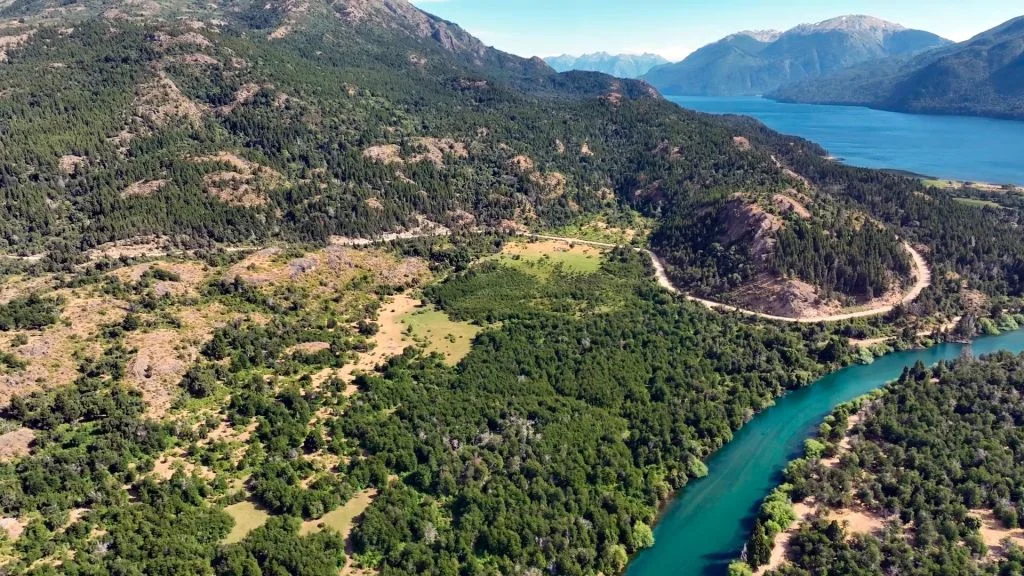
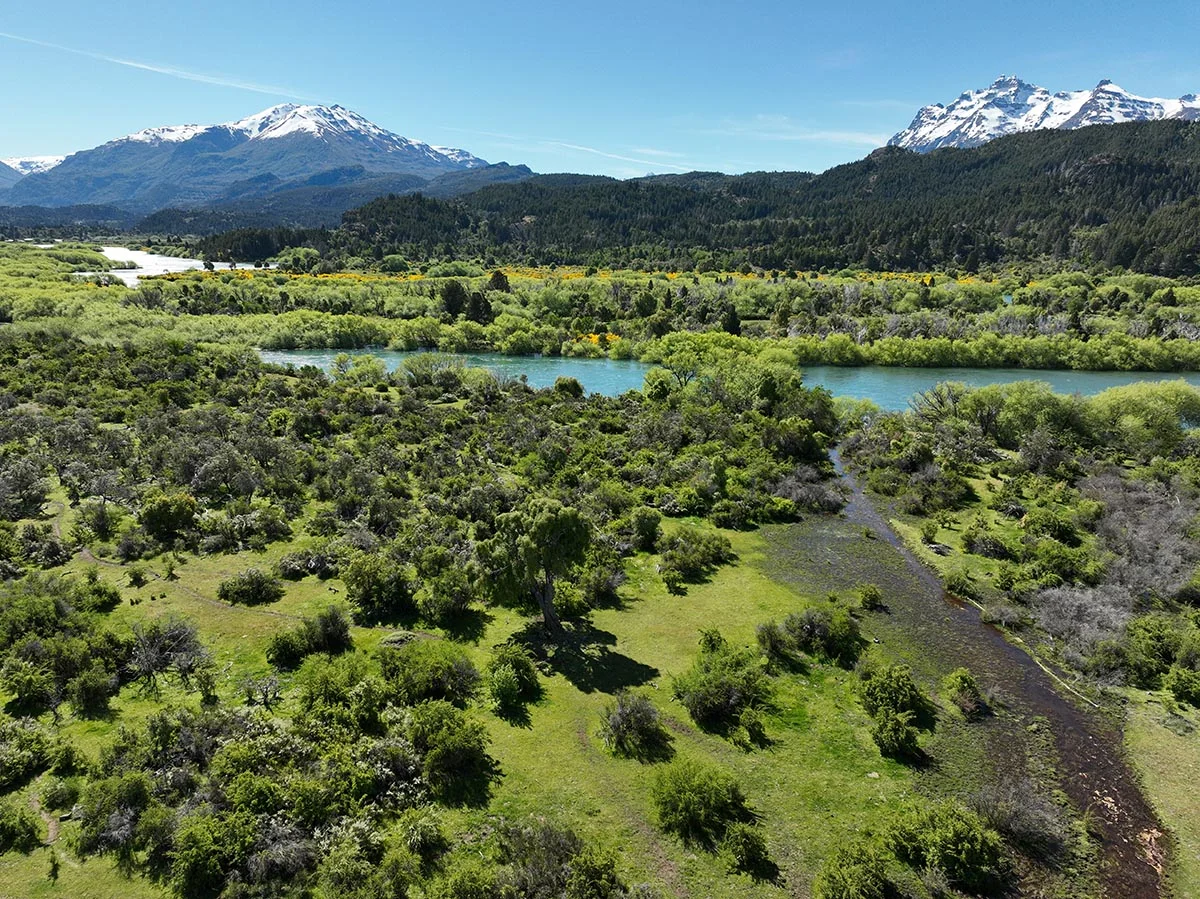
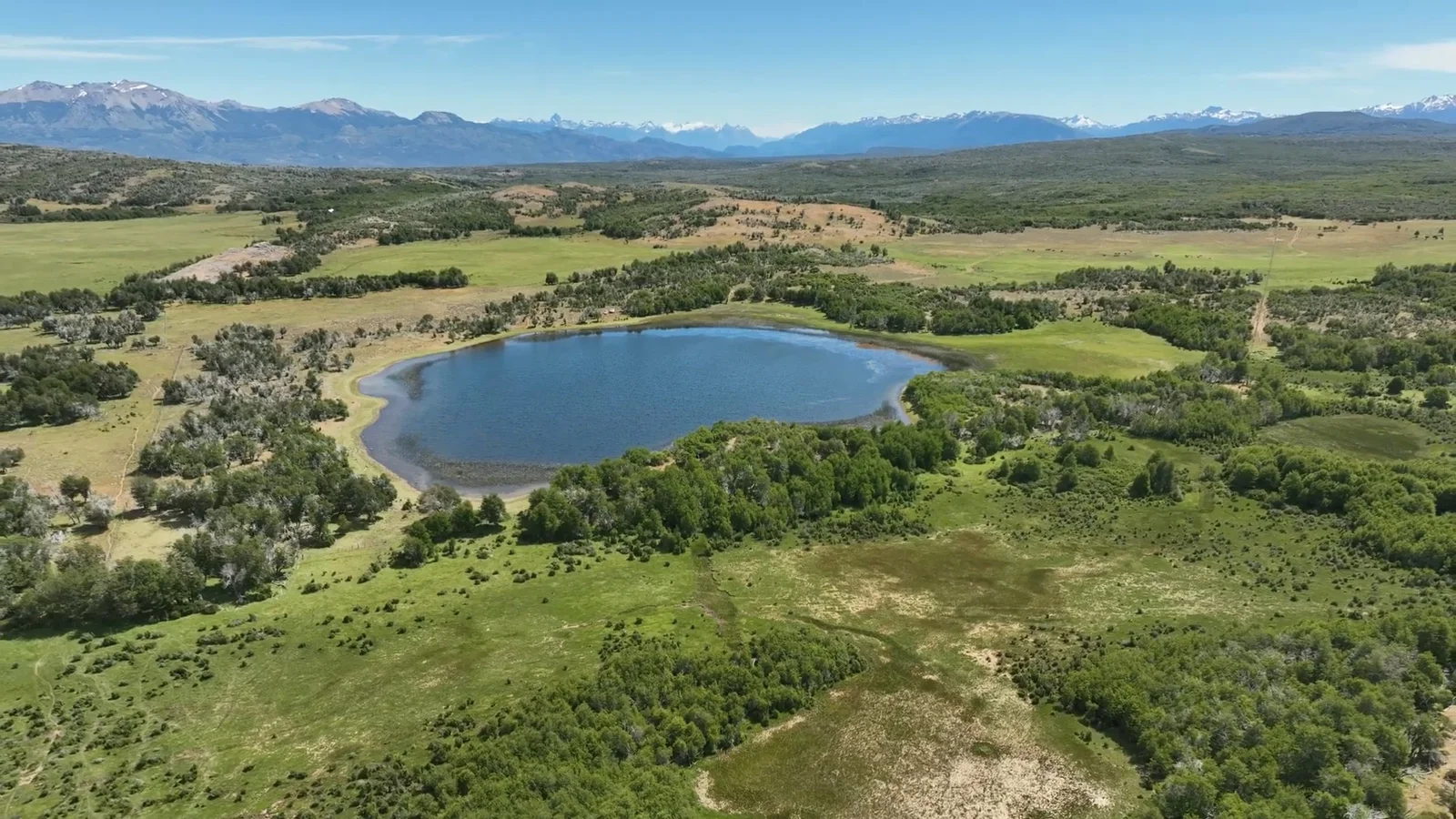
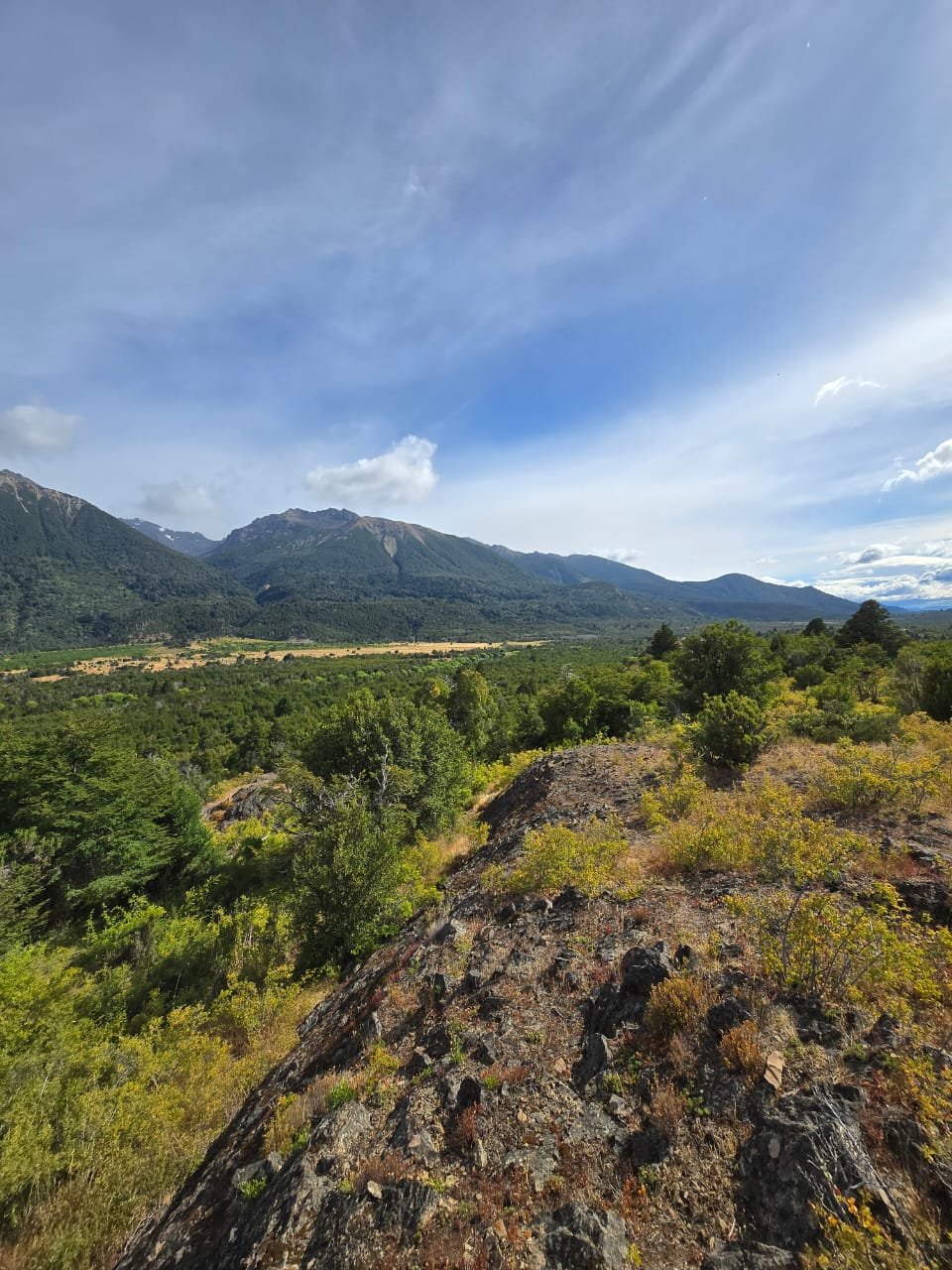
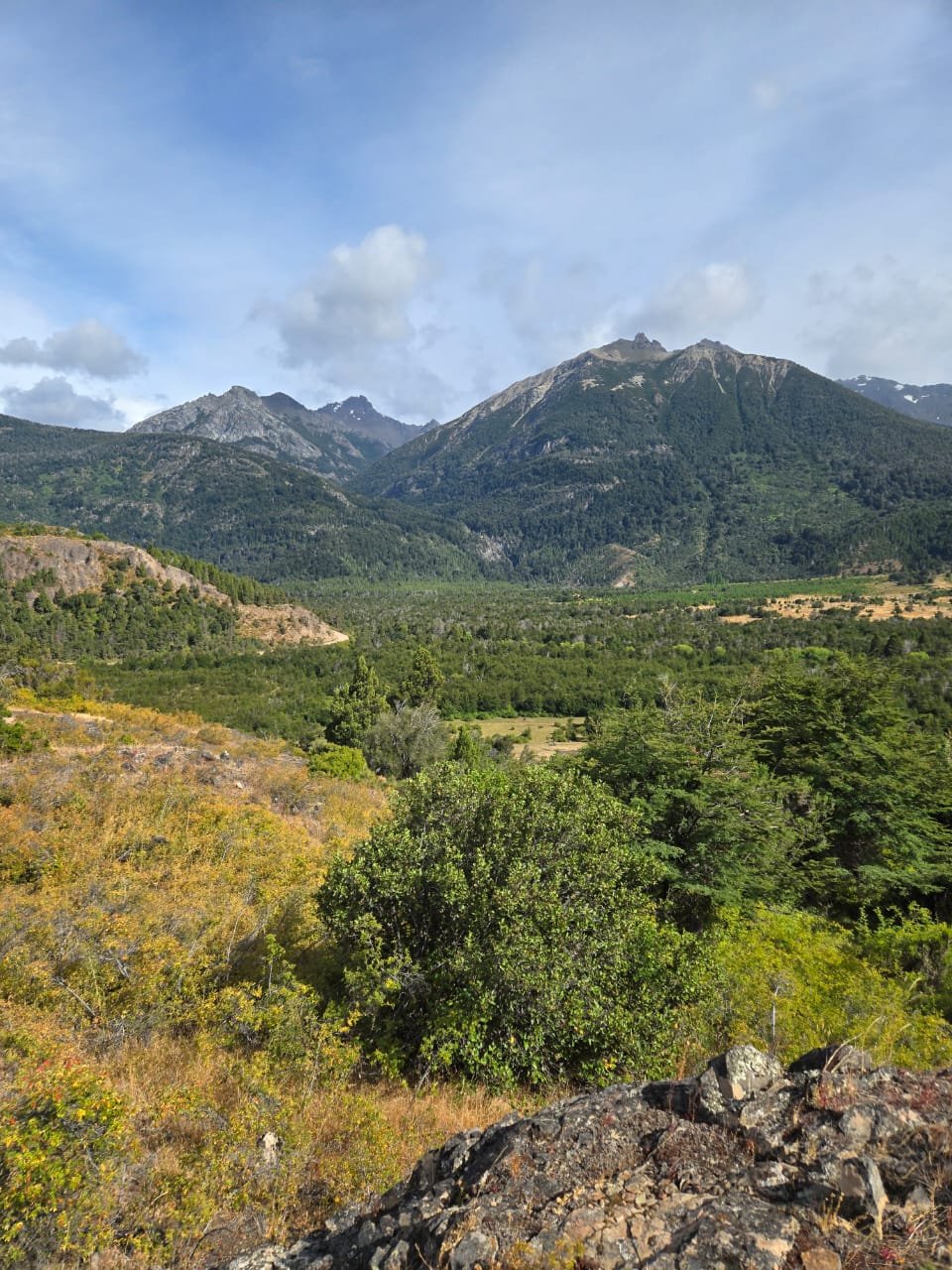
Campo 220 has - Río Carrileufu
Guide for overseas buyers

Buying rural land in Argentina

What actually happens, in what order, and what has to be verified before you sign. No shortcuts and no promises.
01Tax ID
07Steps
6–10%Closing
ResidencyNot required in order to buy
Border zonePrior authorisation in Corcovado and Río Grande
Message us on WhatsApp
This is general information, not legal advice.Every property has its own situation of title, water and boundaries, and the Argentine legal framework changed in September 2026 and remains under judicial review. Before any transaction, consult a notary and a lawyer in the province where the land sits. We work with professionals in Esquel and can introduce you.
Legal framework

Can a foreigner buy?

Yes. The Argentine Constitution grants foreigners the same civil rights as citizens, including the right to own property. No residency, visa or citizenship is required.

For rural land there were additional restrictions for years. Law 26.737, passed in 2011, capped foreign ownership at 15% of rural land nationally, provincially and municipally, and prohibited foreigners from owning land fronting large permanent bodies of water — rivers and lakes.

That law was repealed by article 154 of Decree 70/2023. The repeal was suspended by the courts and then reinstated: on 29 September 2026 the Supreme Court overturned the ruling that had declared it unconstitutional, so Law 26.737 currently remains repealed.

Here is the part that matters: the Court did not rule on the merits. On 6 October it appointed substitute judges to hear a fresh challenge to the same article, a bill to restore the law has been filed in the Chamber of Deputies, and the government is pushing its own reform through the Senate. This is an open situation.

In practice a foreigner can today acquire a ranch with river frontage or lake shore in Patagonia. But before starting a transaction you must verify the state of the law at that moment, rather than trust what a web page says — including this one.

What has not changed: border zones

Decree-Law 15.385/1944 remains in force and establishes border security zones. Within those bands, a foreigner needs prior authorisation to acquire property. This affects Corcovado, Futaleufú and the Río Grande area directly, close to the Chilean crossing. It is not a bar, it is a procedure — but it has timelines and must be started before signing.

Step by step

How the process works

  1. CUIT — the tax identification numberThis used to be called a CDI. Since 2 March 2026, ARCA — formerly AFIP — eliminated the CDI and unified everything under the CUIT, non-residents included. Most guides online still say CDI and are out of date. It is obtained with a passport and can be arranged by power of attorney without being in the country. Allow one to three weeks.
  2. The escribanoIn Argentina the deed is executed by an escribano público, a notary acting as an impartial public officer. The buyer chooses and pays for theirs. Do not accept a notary imposed by the seller.
  3. Title searchThe chain of title over the previous twenty years is reviewed, along with mortgages, liens, adverse possession claims in progress and easements. On rural land this is slower than on urban property and uncovers more problems. It is the stage not to rush.
  4. Verification on the groundCurrent survey, actual boundaries against the plan, real access — whether it is a public road or an easement over someone else's land, and whether it appears in the deed. Water: springs, irrigation rights, use concessions. Native forest classification under Law 26.331.
  5. Reservation and preliminary contractA reservation with a deposit is signed, followed by a boleto de compraventa. It does not transfer ownership: only the deed does. Never hand over the full price at this stage.
  6. Transferring fundsRural transactions are usually in US dollars and in cash — mortgage finance for foreigners effectively does not exist. Incoming funds must comply with Central Bank rules and source-of-funds documentation. It is what delays transactions most often.
  7. Deed and registrationSigned before the escribano, which can be done by power of attorney. The deed is then registered with the province's Real Property Registry. Until registration, the transaction is not enforceable against third parties.
Costs

What to add to the price

As a general guide, budget between 6% and 10% of the price in closing costs. These percentages change, so ask your escribano for the exact figure before signing.

What we ask before showing a property

This is not a formality. A two-thousand-hectare cattle ranch and a three-hectare farm for a weekend house have nothing in common.

Last reviewed 2026-10-06. Argentina's rural land framework is under judicial and legislative review. Ask us for the current position before making decisions.